


 679
679
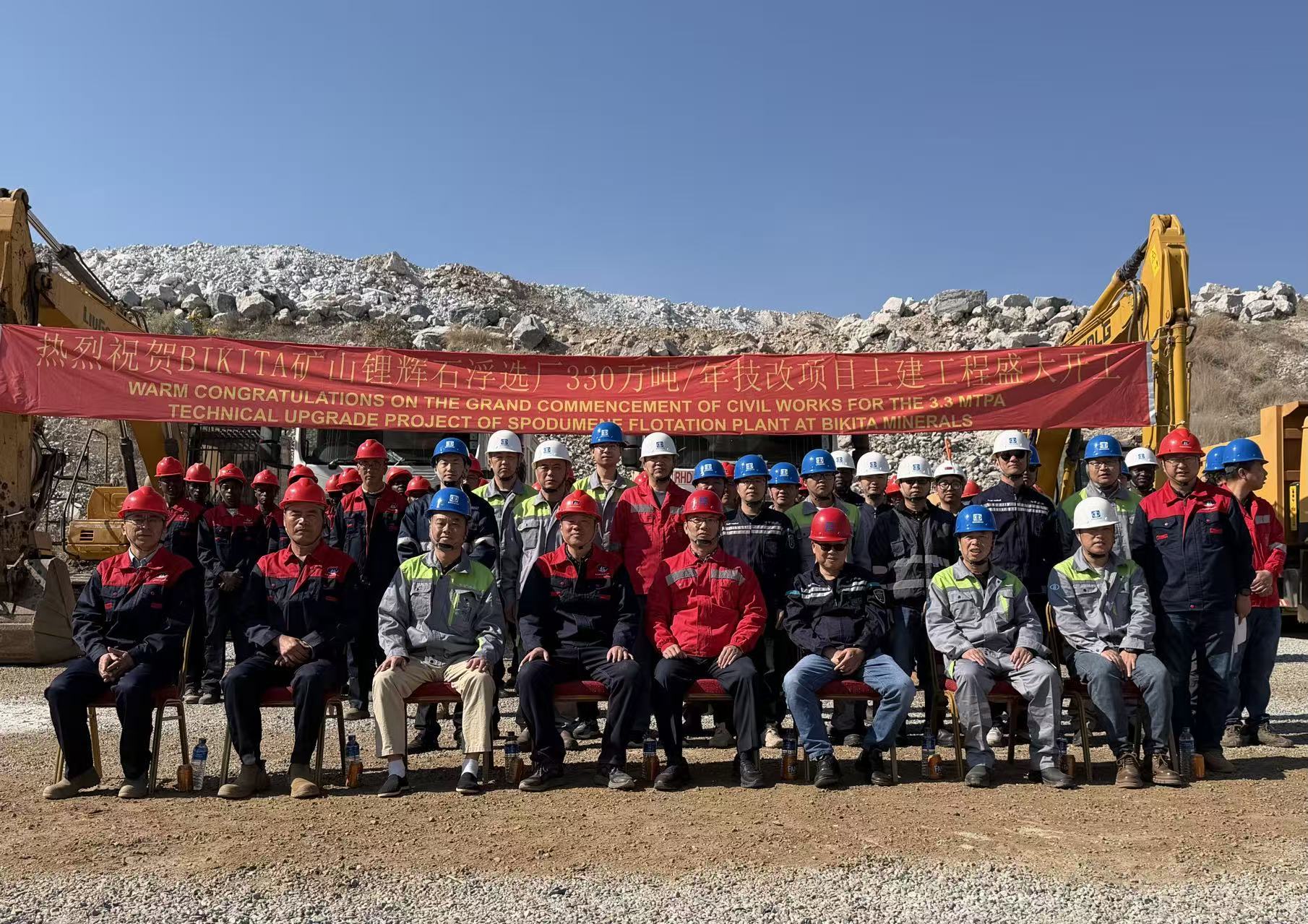
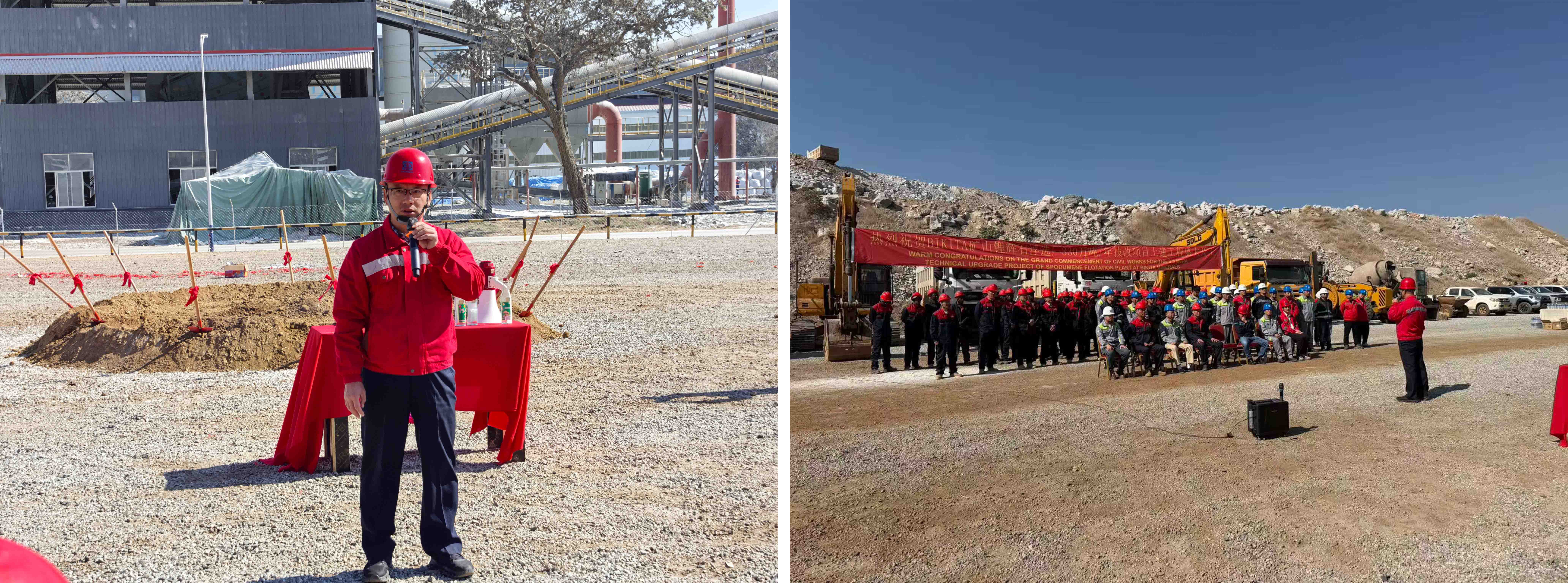
On July 12, 2026 (local time), against a backdrop of fluttering banners and rows of heavy machinery at the Bikita mining site in Masvingo Province, Zimbabwe, Bikita Mineral Pvt Ltd (hereinafter referred to as "Bikita Minerals") held a ceremonial groundbreaking for its pre-concentration waste rejection technological upgrade project at the flotation plant. The project introduces globally leading processes — including XRT (X-ray transmission) intelligent photoelectric sorting — to drive a smart, green upgrade of the Company's existing spodumene flotation system, marking a key step forward in Bikita Minerals' pursuit of lean operations and sustainable development. The Company's management team, together with representatives of the project's construction contractor and supervision unit, attended the ceremony.
"Against the backdrop of intensifying global competition on lithium production costs, the Company has always upheld a development philosophy that places resources at the core and technology as the driving force," said Mr. Gong Xuedong, Assistant President of Sinomine Resource and General Manager of Bikita Minerals, in his address. "This pre-concentration waste rejection upgrade is a strategic move to sharpen our core competitiveness and enable cascading utilization of resources — opening a brand-new path to the full and efficient development of our mineral assets."
Working alongside Bikita Minerals' existing 2 million-tonne-per-year spodumene flotation system, the upgrade deploys a combined dense medium separation (DMS) and XRT intelligent sorting process to identify and reject waste rock before ore enters the milling circuit. The system is expected to pre-reject approximately 60% of low-grade ore and interburden, lifting the feed grade (Li₂O) from an average of 1.07% to above 2.0%, significantly reducing the volume of waste material entering the mills and raising annual processing capacity to 3.3 million tonnes.
"Every percentage point we save at the front of the circuit translates into real cost and carbon reduction downstream," Mr. Gong noted. "This is what responsible, technology-led mining looks like in practice — doing more with less, while leaving a lighter footprint on the land and the community around us."


