


 539
539
On April 4, 2026 (local time), Sinomine Kitumba Minerals Co., Ltd. (hereinafter referred to as “Kitumba Mining”) signed a Power Supply Agreement (PSA) and a grid connection agreement with Konona, a leading private power infrastructure company in Zambia. The agreements were signed by Wang Zhiwei, Chairman of Kitumba Mining, and Tanda, Chairman of Konona.
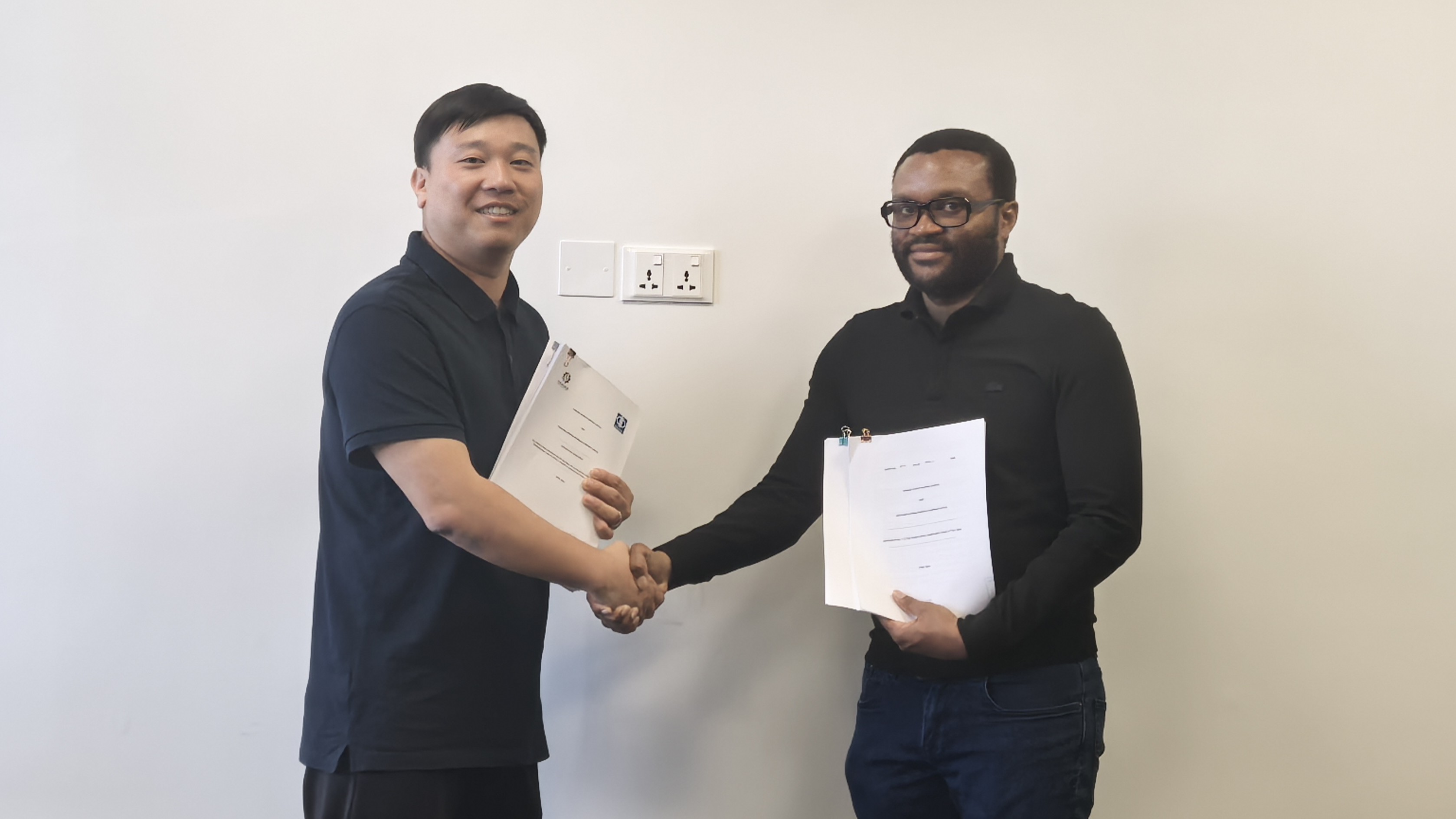
This signing marks a key milestone in deepening cooperation between the two parties and represents a critical step for Kitumba Mining in addressing power supply constraints, ensuring timely project commissioning, and advancing its “resources + energy” integrated development strategy.
As the Kitumba project continues to progress rapidly, a stable and reliable power supply has become essential to its success. To meet this need, the two parties have jointly developed a dual-track power solution combining temporary and permanent supply, ensuring uninterrupted electricity during both construction and operation phases.
Under the agreement, Konona will fully finance and construct the permanent power infrastructure for the mining area. This includes building a 330/33 kV substation, upgrading the national backbone Nambala–Kalumbila 330 kV transmission line to deliver power directly to the site, and constructing supporting 33/11 kV substations and associated transmission lines. Once completed, the system will provide stable and continuous power supply for the project.
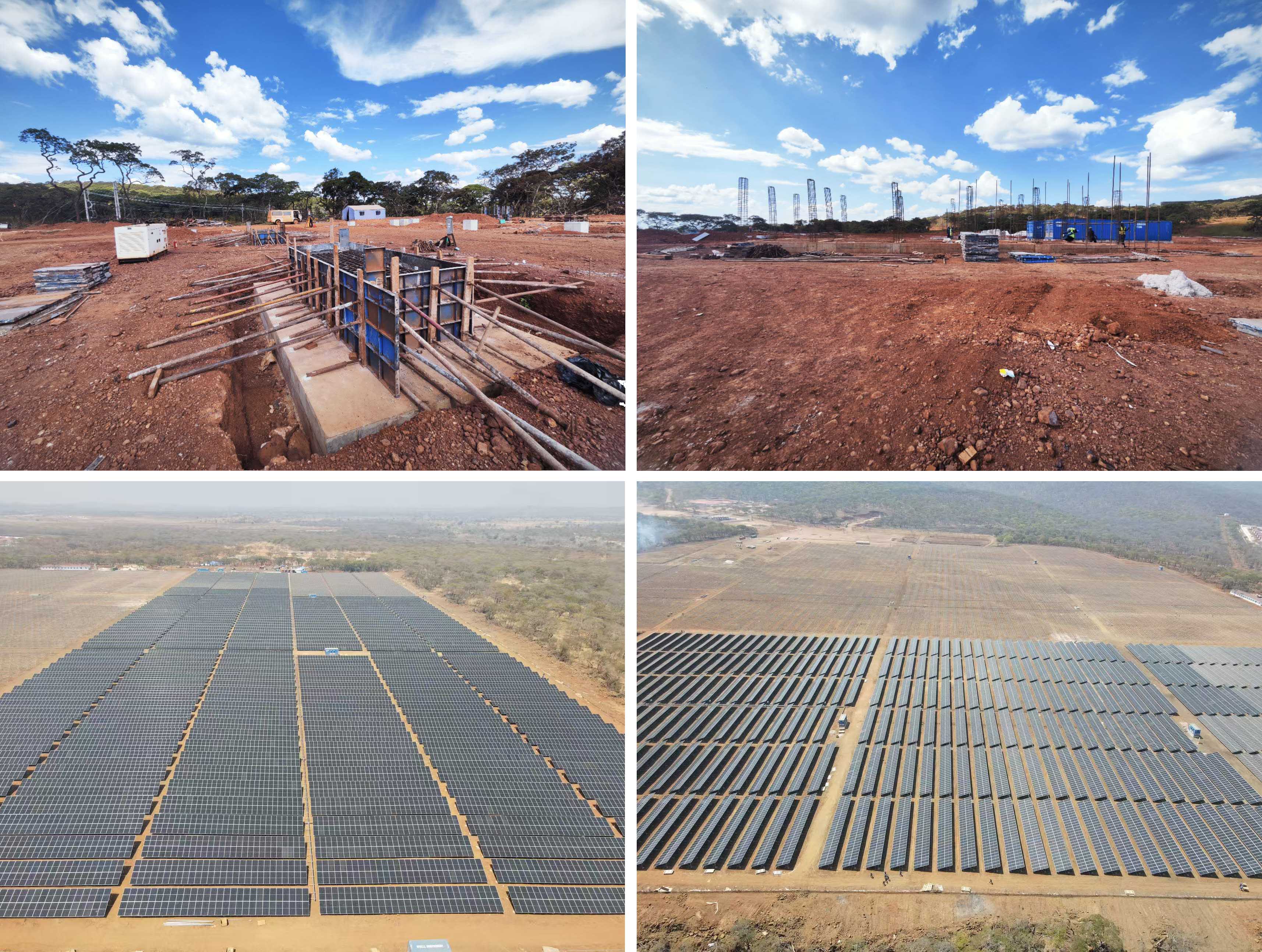
Beyond securing operational power, this cooperation also reflects Sinomine’s commitment to integrating resource development with clean energy utilization. In addition to purchasing electricity, Kitumba Mining will sell surplus power generated from its 50 MW photovoltaic project to Konona, enabling optimized energy allocation and value creation, and forming a closed-loop green energy system.
This innovative “resources + energy” integrated model has received strong recognition from the Zambian government. The President of Zambia has identified the Kitumba project as a model case, encouraging other mining companies in the country to follow its example—transforming power challenges into investment opportunities, achieving energy self-sufficiency, and contributing to local communities.


