


 7
Wang Zhiwei, Vice President of Sinomine Resource Group Co., Ltd. (“Sinomine”) and General Manager of its South-Central Africa Regional Operations Center, recently held a series of meetings in Lusaka, Zambia, with Brenda Tambatamba, the newly appointed Minister of Mines and Minerals Development; Peter Kapala, Minister of Energy; Noel Nkhoma, Minister of Industry; and Caroline Katotobwe, Minister of Trade and Export Development.
The discussions focused on the construction progress of the Kitumba Copper Project, power supply security, industrial supporting facilities, tax policies, community and township development, and long-term resource development. The meetings aimed to further strengthen the external environment for the project’s development in Zambia. Mao Fulong, Assistant to the President of Sinomine and General Manager of Kitumba Minerals, accompanied Wang on the visits.
During the meetings, Wang congratulated the ministers on their appointments, thanked the Zambian government departments for their continued support of the Kitumba Project, and provided detailed updates on the project’s overall construction progress.
Ministry of Mines and Minerals Development: Recognition of the Project’s Broader Economic Impact
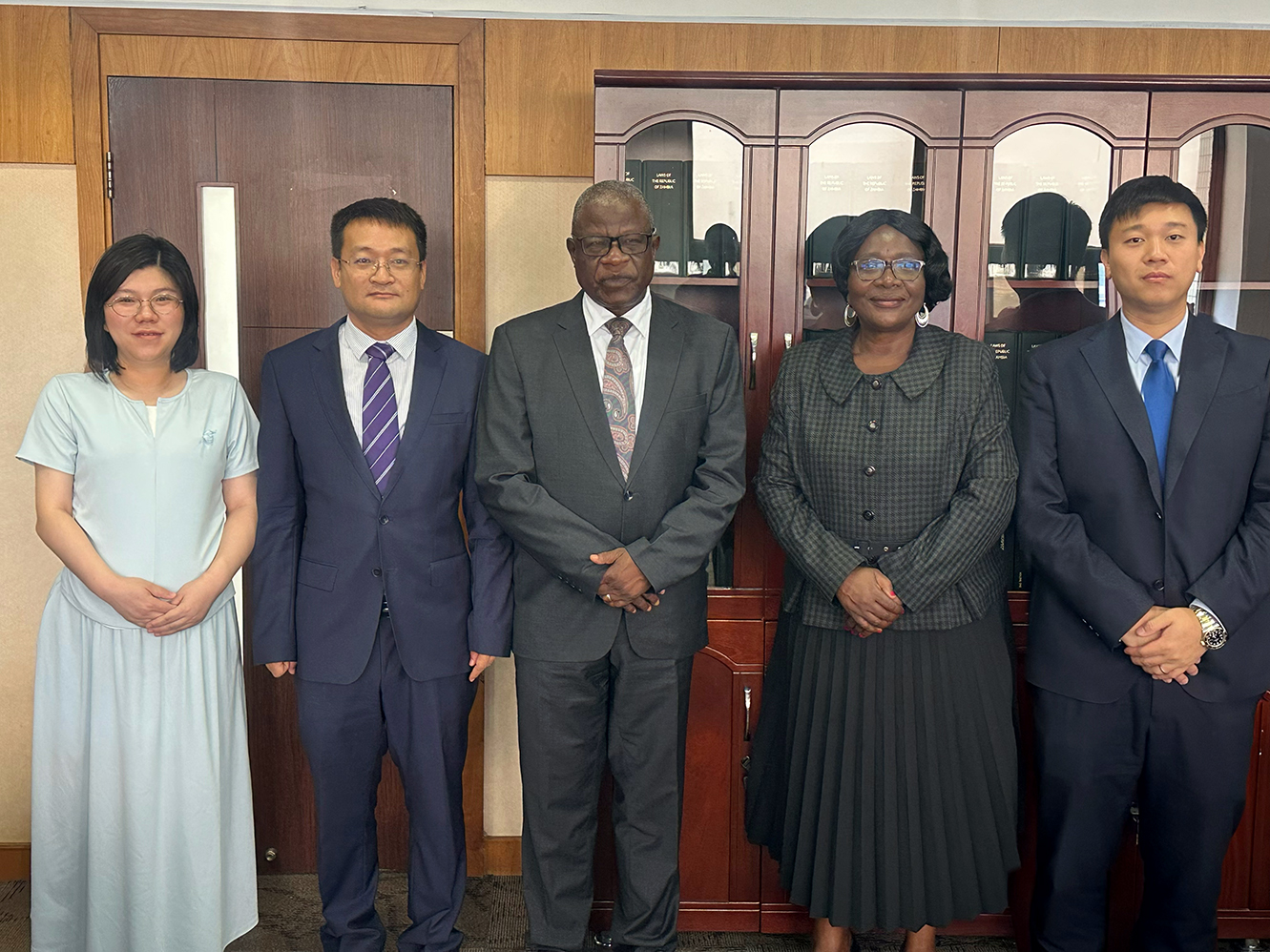
At his meeting with Minister Brenda Tambatamba, Wang explained that Sinomine adheres to international production standards and is committed to localized operations. The project has employed approximately 4,000 local workers to date, and the company will continue to deepen its collaboration with local communities, actively fulfill its corporate social responsibilities, and contribute to the development of Kitumba township. He expressed appreciation for the Ministry’s support since the project commenced construction and reaffirmed Sinomine’s commitment to ensuring its successful completion and commissioning.
Minister Tambatamba welcomed the progress made at Kitumba and the creation of approximately 4,000 local jobs. She noted that the Ministry has consistently sought to foster sound government-business partnerships and is willing to work with mining investors that uphold international standards in operational efficiency and corporate social responsibility.
She described the Kitumba Project as an exemplary model of mutually beneficial cooperation between business and local communities. The project, she said, sets a benchmark in supporting Zambia’s industrialization, skills transfer, industrial chain diversification, and mineral value addition, while contributing significantly to the country’s goal of producing 3 million tonnes of copper annually.
Tambatamba emphasized that local employment and the participation of domestic businesses are central to ensuring that mining investment drives national development. The Ministry, she added, stands ready to work closely with the company to advance the project toward full-scale production.
Ministry of Industry: Support for Special Economic Zone Application and Local Industrial Chain Development
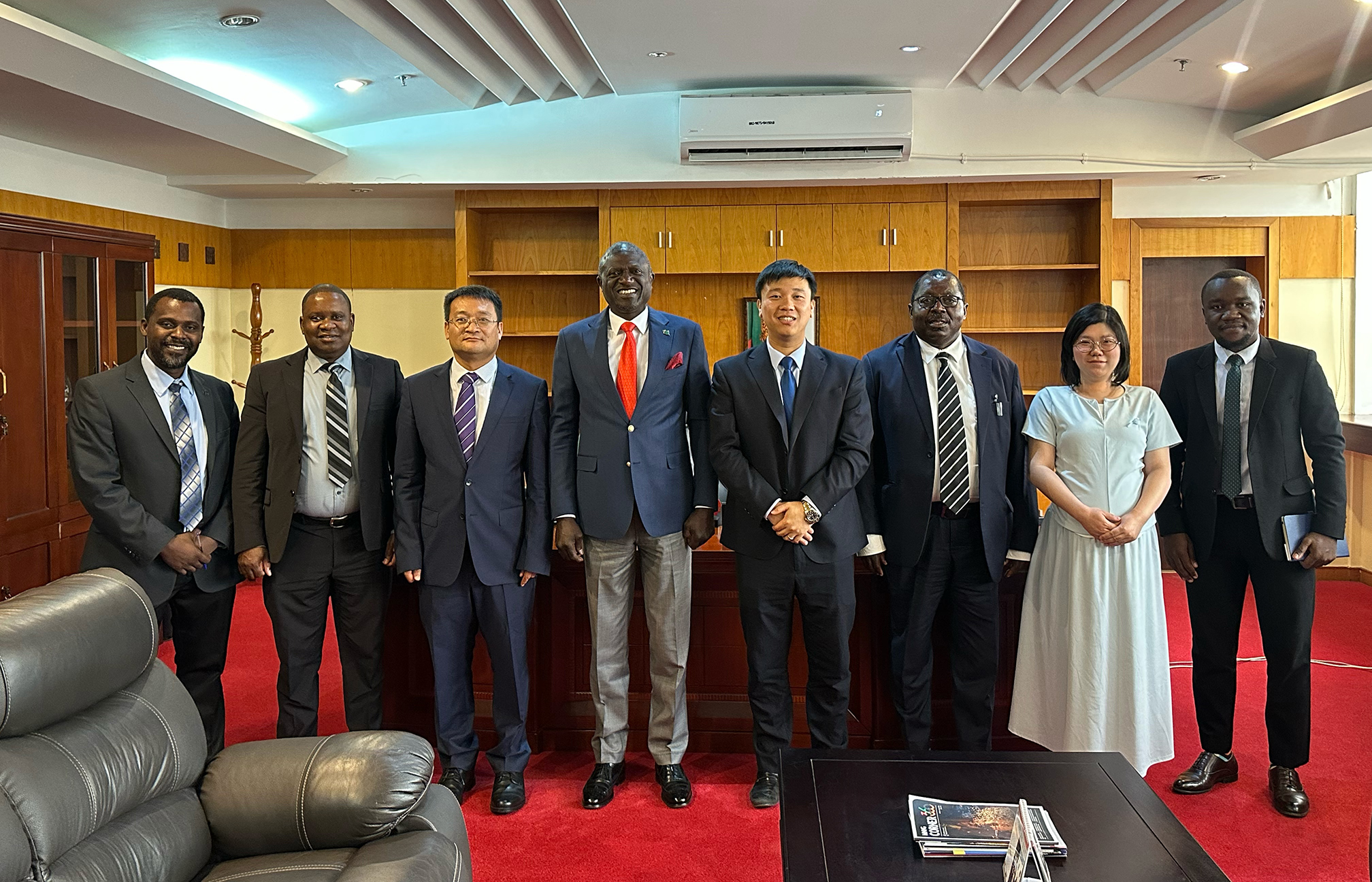
During discussions on industrial policy, Wang outlined Sinomine’s plans for developing downstream industries. The company has signed letters of intent with five upstream and downstream manufacturing enterprises. Once the incentive policies for the Special Economic Zone (SEZ) are implemented, these companies are expected to establish localized production operations at the project site.
Wang added that, beyond the Kitumba mining project, Sinomine is actively exploring further opportunities to cooperate with the Zambian government in other project areas and will continue expanding its investment footprint in the country.
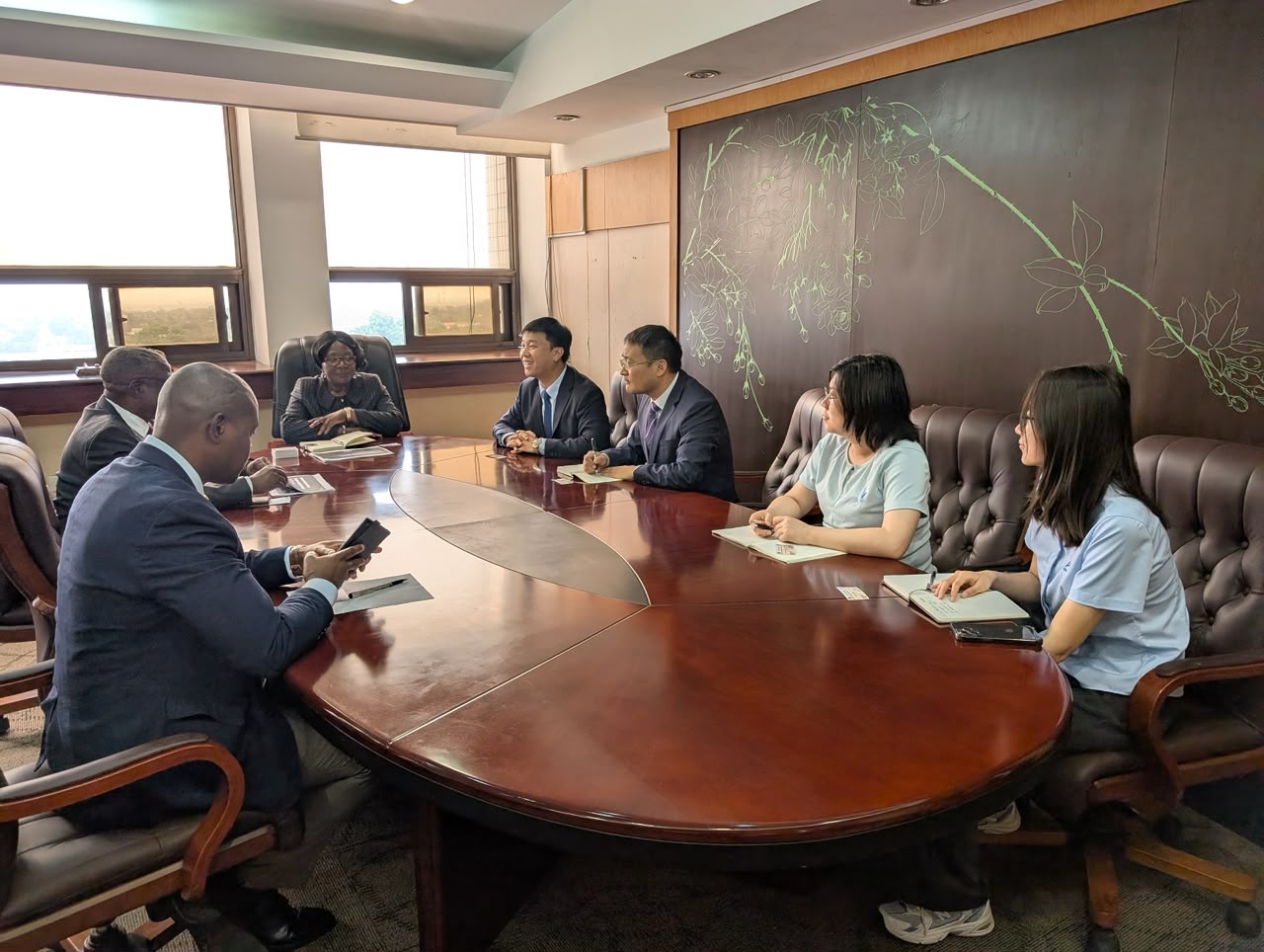
Minister of Industry Noel Nkhoma spoke highly of the project’s contribution to local industrial development, particularly recognizing the company’s efforts in technical training for young Zambians, apprenticeship programs, and industry-academia collaboration in talent development. He praised these initiatives as being at the forefront of the industry.
Nkhoma noted that industrialization is an essential path for Zambia’s development and pledged the government’s full support for the project’s SEZ application. He said the government would leverage the policy advantages of the zone to encourage the company to further increase local procurement. The Ministry will also arrange a team to visit the project site for an on-the-ground assessment.
Ministry of Energy: Assessment of Dedicated Power Supply Options to Ensure Reliable Electricity
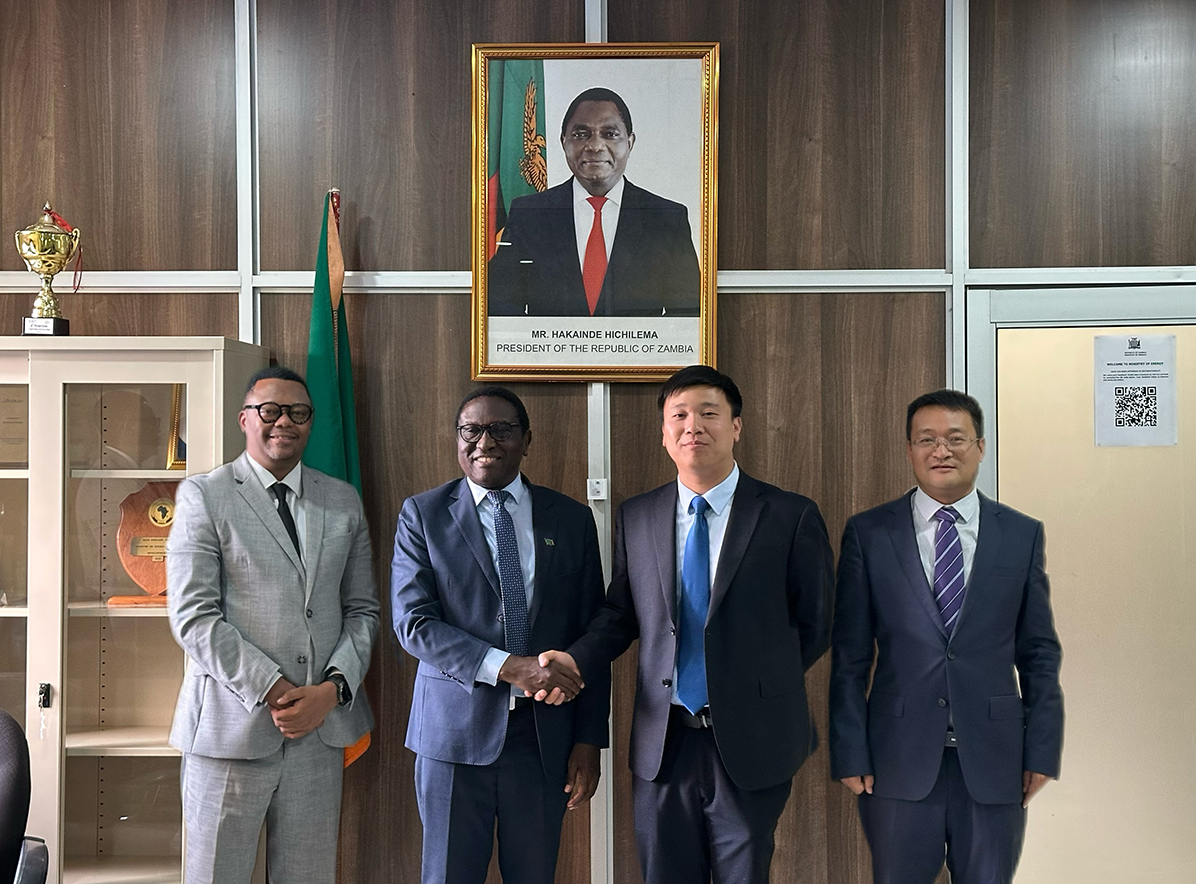
During discussions on power supply security, Wang outlined the project’s energy plans. A 50 MW solar power facility has already been completed and connected to Zambia’s national grid, allowing surplus electricity to be fed into the grid.
The company plans to launch the second phase of solar development once the smelter reaches full production capacity, with provision for further expansion in the future. Meanwhile, construction of a 330/33 kV substation by Konona is underway and is scheduled to be commissioned by the end of 2026. Once operational, the substation will provide a stable 330 kV power supply to meet the project’s production requirements.
As downstream manufacturing facilities are established and the new Kitumba township continues to develop, the region’s long-term electricity demand is expected to reach 100–200 MW. Wang called on the Ministry to prioritize a continuous and reliable power supply for both project operations and the new township, and invited a Ministry delegation to visit the site in December for guidance and inspection.
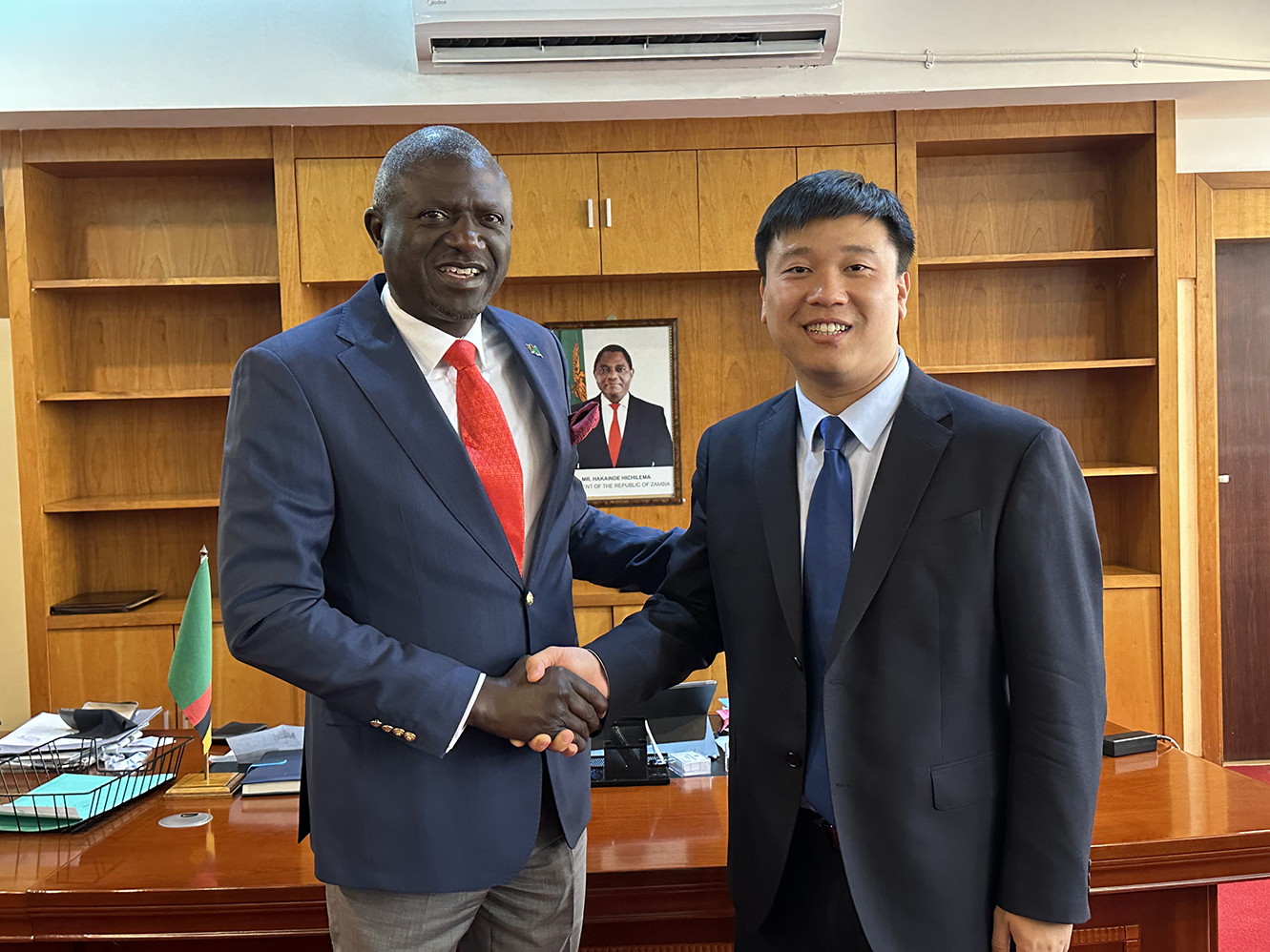
Minister of Energy Peter Kapala recognized the progress achieved by the project and said the Ministry would document its electricity requirements and establish a dedicated team to assess the proposed dedicated power supply arrangements and associated costs. He pledged to make every effort to ensure uninterrupted power for production and support the project’s contribution to Zambia’s goal of producing 3 million tonnes of copper annually.
Ministry of Trade and Export Development: Establishment of a Regular Communication Mechanism
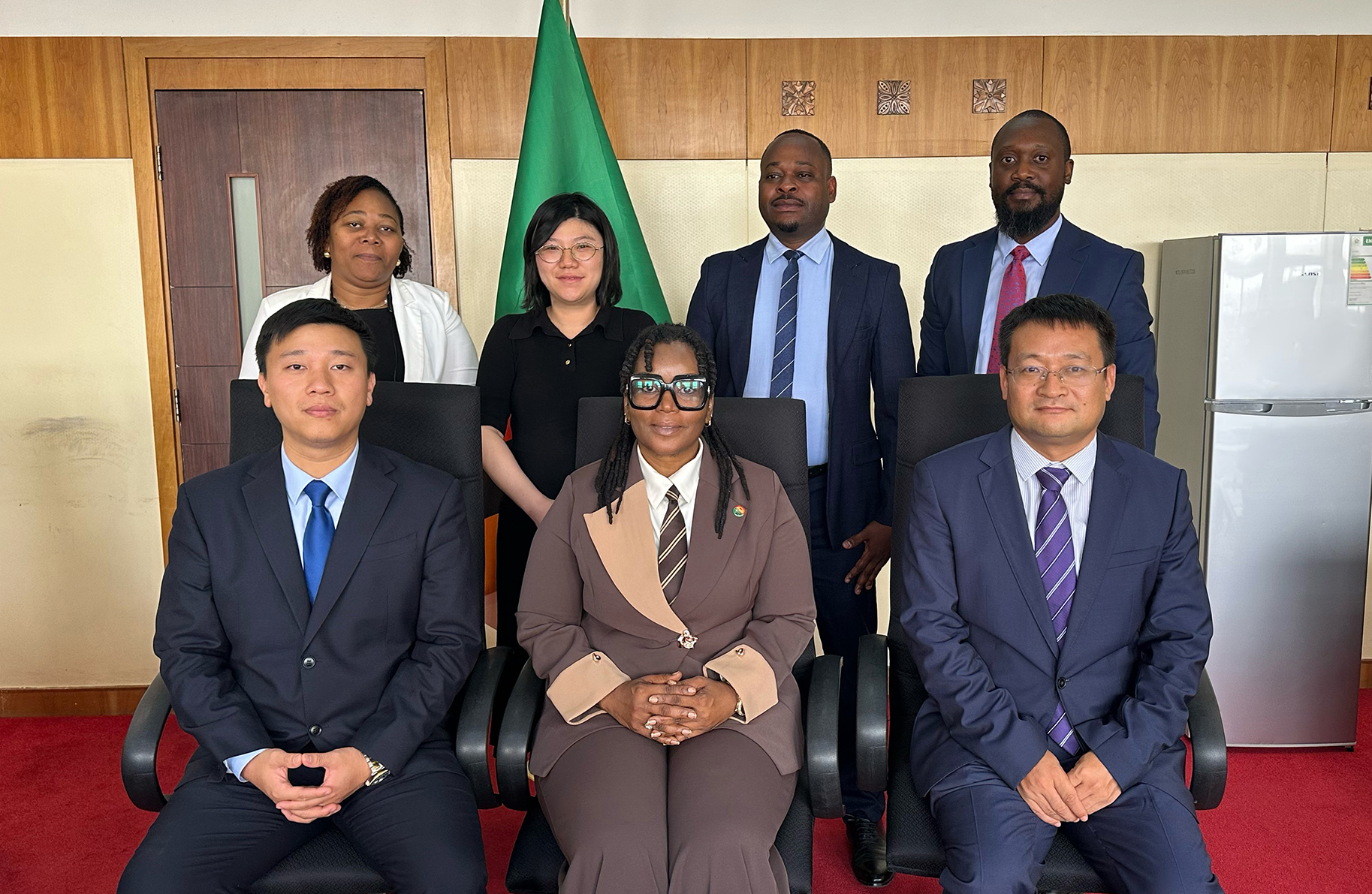
During discussions on trade and exports, the two sides exchanged views on cathode copper exports from the Kitumba Copper Project, domestic sales and exports of its annual sulfuric acid output, the SEZ, local employment, and community development.
Wang outlined the project’s construction progress and SEZ development plans. He said the company intends to leverage the combined advantages of SEZ policies and supporting industrial facilities to attract multiple manufacturing enterprises to the area, with the goal of developing Zambia into a regional manufacturing hub and enabling duty-free exports of products from the zone to neighboring countries.
Minister of Trade and Export Development Caroline Katotobwe recognized the Kitumba Project’s positive contribution to local employment and industrial value addition. She pledged to provide efficient trade facilitation support for the project’s future exports. The two sides also agreed to establish a regular communication mechanism and arrange subsequent visits to the project site, helping create favorable conditions for the project’s successful commissioning and operation, as well as the development of the SEZ.
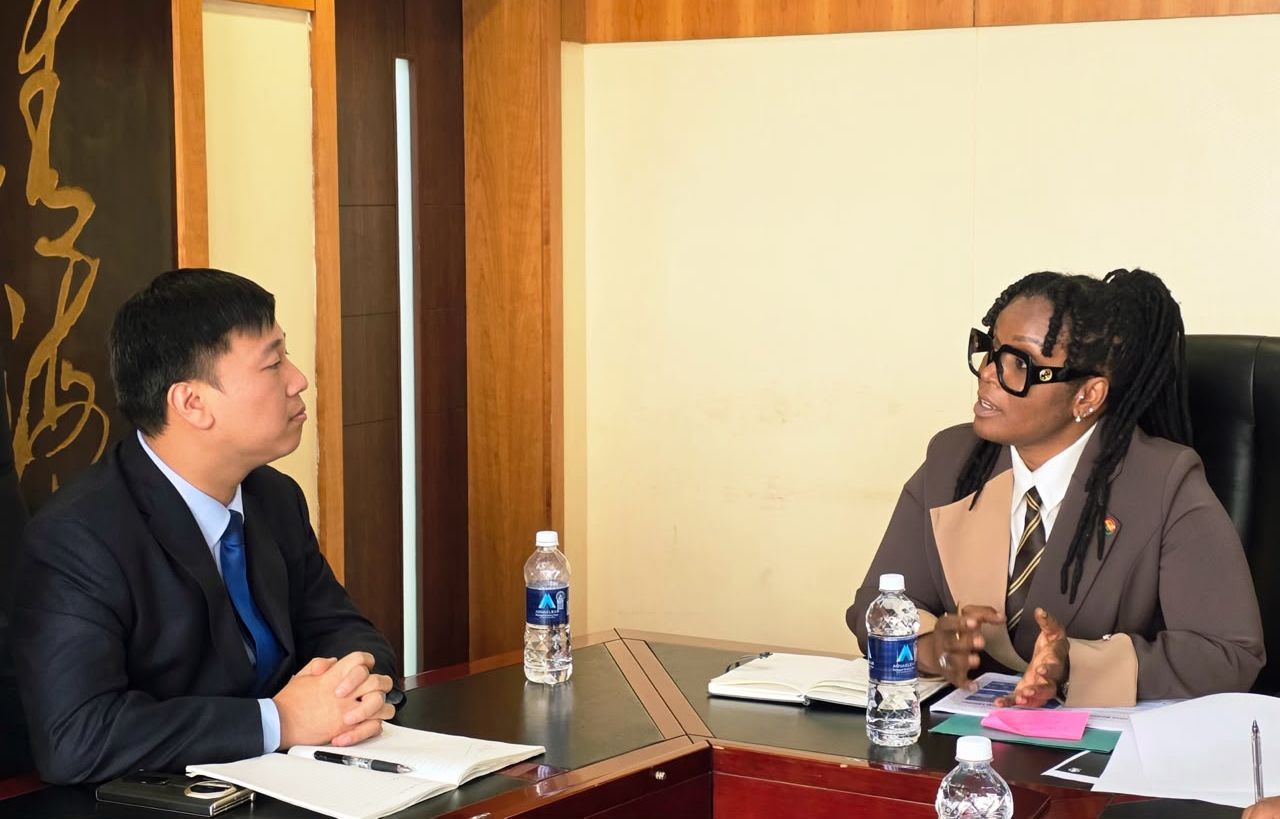
The series of meetings received positive responses from all relevant government departments and were characterized by constructive and effective communication. They demonstrated the strong foundation of mutual trust between Sinomine and the Zambian government, while creating more favorable conditions for the steady construction and operation of the Kitumba Project, harmonious community development, the cultivation of local industrial chains, and long-term resource development.


